
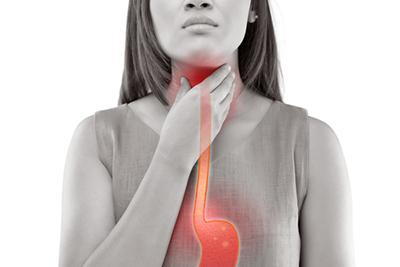
Acid reflux is something most people experience at some point. It usually happens after a heavy meal or eating certain trigger foods and results in heartburn or a sour taste in the mouth. While this occasional discomfort is fairly common, persistent or worsening symptoms could signal something more serious, such as gastroesophageal reflux disease, or GERD.
At Mesquite Gastroenterology and Surgery Center in Tucson, AZ, Dr. Miguel Arenas helps patients understand what sets GERD apart from routine reflux and how to manage both effectively.
Occasional Reflux vs. GERD
Occasional acid reflux occurs and disappears spontaneously or with the help of an over-the-counter antacid. It can happen following early bedtimes after eating, as well as with the ingestion of foods like citrus, chocolate, or spicy foods.
GERD, on the other hand, is when acid reflux is persistent, happening more than twice a week or interfering with your lifestyle. The symptoms may go beyond typical heartburn and include a chronic cough, sore throat, chest pain unrelated to the heart, or swallowing difficulty. GERD, left untreated, injures the esophagus and generates more severe complications.
Getting Help from a Specialist
After symptoms persist, it is always advisable to seek medical advice rather than repeatedly treating them with temporary solutions. Dr. Arenas conducts comprehensive evaluations to determine whether a patient is suffering from GERD or another condition. He then creates a tailored treatment plan, which may include medication, dietary changes, or lifestyle adjustments. In more severe instances, surgery might be considered to help tighten the lower esophageal sphincter and prevent acid from running up the esophagus.
Relief Is Within Reach
At Mesquite Gastroenterology and Surgery Center, patients in Tucson, AZ, receive compassionate and informed care for digestive health concerns, including GERD. If you’ve been experiencing frequent heartburn or lingering reflux symptoms, it’s time to get answers.
Call (520) 722-0744 to schedule an appointment with Dr. Miguel Arenas and find out what’s going on with your digestive health. Getting the right diagnosis is the first step toward lasting relief.